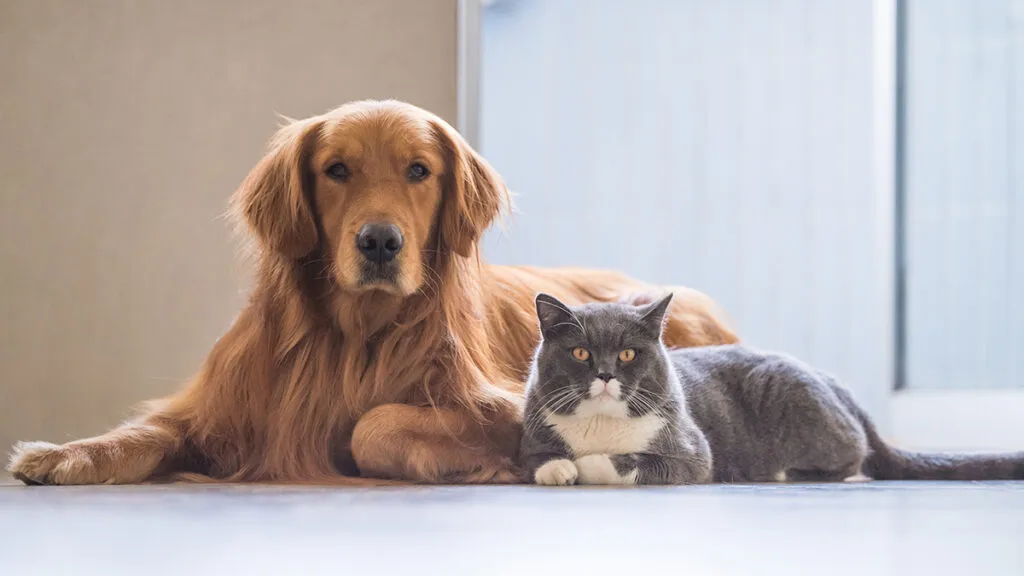
Just like humans, every pet is unique—and so are their grooming needs. Coat type, breed, lifestyle, and environment all play a role in determining the right pet grooming routine. Whether your pet stays at a pet hotel, attends pet day care, or enjoys regular dog walking, breed-specific grooming ensures comfort, hygiene, and overall health.
This guide breaks down tailored grooming tips for different dog and cat breeds to help pet parents make informed choices.
Why Breed-Specific Grooming Matters
Different breeds have different coat textures, shedding patterns, and skin sensitivities. Ignoring these differences can lead to:
- Matted fur and skin infections
- Excessive shedding and odor
- Discomfort during movement and play
- Behavioral issues affecting pet dog training
Breed-appropriate grooming keeps pets calm, healthy, and confident in social settings like pet boarding or pet day care.
Grooming Tips for Popular Dog Breed Categories
1. Short-Coat Dog Breeds Examples: Beagle, Boxer, Doberman Grooming Tips:- Brush once a week to remove loose hair
- Bathe every 4–6 weeks
- Regular nail trimming for comfortable dog walking
Short-coated dogs are low maintenance but still benefit from routine pet grooming, especially before stays at a pet hotel.
.Long-Coat Dog Breeds
Examples: Shih Tzu, Lhasa Apso, Afghan Hound
Grooming Tips:- Daily brushing to prevent tangles
- Frequent professional grooming
- Regular eye and ear cleaning
- De-shedding 2–3 times per week
- Avoid shaving the coat
- Seasonal grooming during shedding cycles
- Professional grooming every 4–6 weeks
- Regular trimming to avoid matting
- Coat conditioning to maintain curl structure
Long-haired breeds require consistent care, especially if they attend pet day care or travel via pet taxi.
3. Double-Coat Dog Breeds
Examples: Golden Retriever, Siberian Husky, German Shepherd
Grooming Tips:Proper grooming helps regulate body temperature and reduces fur buildup in pet boarding environments.
4. Curly or Wavy Coat Dog Breeds
Examples: Poodle, Labradoodle, Bichon Frise
Grooming Tips:Well-groomed curly coats help dogs stay focused and comfortable during pet dog training sessions.